top of page


OMEN SPACE
OMEN is a temporary exhibition space, material library, and meeting place in a building facing demolition on the edge of Kasarmitori, Helsinki. It is a collaboration project of NEMO architects and Studio Päivi Helander. OMEN is presenting alternatives to the linear economy and proposing a reform of architecture and spatial design rooted in circularity, sufficiency and creativity.
OMEN space is open from 9th of September to everyone from designers and architects to students and the simply curious. OMEN space invites visitors to explore its material library, experience the exhibition, exchange ideas, or use the space to work on their own projects.
OMEN space is open from 9th of September to everyone from designers and architects to students and the simply curious. OMEN space invites visitors to explore its material library, experience the exhibition, exchange ideas, or use the space to work on their own projects.


OMEN SPACE
OMEN is a temporary exhibition space, material library, and meeting place in a building facing demolition on the edge of Kasarmitori, Helsinki. It is a collaboration project of NEMO architects and Studio Päivi Helander. OMEN is presenting alternatives to the linear economy and proposing a reform of architecture and spatial design rooted in circularity, sufficiency and creativity.
OMEN space is open from 9th of September to everyone from designers and architects to students and the simply curious. OMEN space invites visitors to explore its material library, experience the exhibition, exchange ideas, or use the space to work on their own projects.
OMEN space is open from 9th of September to everyone from designers and architects to students and the simply curious. OMEN space invites visitors to explore its material library, experience the exhibition, exchange ideas, or use the space to work on their own projects.
OMEN SPACE
OMEN is a temporary exhibition space, material library, and meeting place in a building facing demolition on the edge of Kasarmitori, Helsinki. It is a collaboration project of NEMO architects and Studio Päivi Helander. OMEN is presenting alternatives to the linear economy and proposing a reform of architecture and spatial design rooted in circularity, sufficiency and creativity.
OMEN space is open from 9th of September to everyone from designers and architects to students and the simply curious. OMEN space invites visitors to explore its material library, experience the exhibition, exchange ideas, or use the space to work on their own projects.
OMEN space is open from 9th of September to everyone from designers and architects to students and the simply curious. OMEN space invites visitors to explore its material library, experience the exhibition, exchange ideas, or use the space to work on their own projects.
OMEN SPACE
OMEN is a temporary exhibition space, material library, and meeting place in a building facing demolition on the edge of Kasarmitori, Helsinki. It is a collaboration project of NEMO architects and Studio Päivi Helander. OMEN is presenting alternatives to the linear economy and proposing a reform of architecture and spatial design rooted in circularity, sufficiency and creativity.
OMEN space is open from 9th of September to everyone from designers and architects to students and the simply curious. OMEN space invites visitors to explore its material library, experience the exhibition, exchange ideas, or use the space to work on their own projects.
OMEN space is open from 9th of September to everyone from designers and architects to students and the simply curious. OMEN space invites visitors to explore its material library, experience the exhibition, exchange ideas, or use the space to work on their own projects.
OMEN SPACE
OMEN is a temporary exhibition space, material library, and meeting place in a building facing demolition on the edge of Kasarmitori, Helsinki. It is a collaboration project of NEMO architects and Studio Päivi Helander. OMEN is presenting alternatives to the linear economy and proposing a reform of architecture and spatial design rooted in circularity, sufficiency and creativity.
OMEN space is open from 9th of September to everyone from designers and architects to students and the simply curious. OMEN space invites visitors to explore its material library, experience the exhibition, exchange ideas, or use the space to work on their own projects.
OMEN space is open from 9th of September to everyone from designers and architects to students and the simply curious. OMEN space invites visitors to explore its material library, experience the exhibition, exchange ideas, or use the space to work on their own projects.


VILLA RANTAKATAJA
With each building and construction project, we take into account the specific location, weather, culture, and future needs. We believe that well-aged structures and materials are important cultural and physical resources and that preserving the past is as important as building for the future. We aim to leave as much as possible untouched and utilise the existing building components—and, when required, use recycled and upcycled materials. This approach helps reduce waste and creates sustainable, repairable solutions that last for generations to come.
Villa Rantakataja is a year-round country house that includes a residential building, an outbuilding, a beach sauna, and a yard. The residential building is situated on a wooded slope, and its southern living yard is connected to the house's terrace.
Villa Rantakataja is a year-round country house that includes a residential building, an outbuilding, a beach sauna, and a yard. The residential building is situated on a wooded slope, and its southern living yard is connected to the house's terrace.


VILLA RANTAKATAJA
With each building and construction project, we take into account the specific location, weather, culture, and future needs. We believe that well-aged structures and materials are important cultural and physical resources and that preserving the past is as important as building for the future. We aim to leave as much as possible untouched and utilise the existing building components—and, when required, use recycled and upcycled materials. This approach helps reduce waste and creates sustainable, repairable solutions that last for generations to come.
Villa Rantakataja is a year-round country house that includes a residential building, an outbuilding, a beach sauna, and a yard. The residential building is situated on a wooded slope, and its southern living yard is connected to the house's terrace.
Villa Rantakataja is a year-round country house that includes a residential building, an outbuilding, a beach sauna, and a yard. The residential building is situated on a wooded slope, and its southern living yard is connected to the house's terrace.
VILLA RANTAKATAJA
With each building and construction project, we take into account the specific location, weather, culture, and future needs. We believe that well-aged structures and materials are important cultural and physical resources and that preserving the past is as important as building for the future. We aim to leave as much as possible untouched and utilise the existing building components—and, when required, use recycled and upcycled materials. This approach helps reduce waste and creates sustainable, repairable solutions that last for generations to come.
Villa Rantakataja is a year-round country house that includes a residential building, an outbuilding, a beach sauna, and a yard. The residential building is situated on a wooded slope, and its southern living yard is connected to the house's terrace.
Villa Rantakataja is a year-round country house that includes a residential building, an outbuilding, a beach sauna, and a yard. The residential building is situated on a wooded slope, and its southern living yard is connected to the house's terrace.

CAPE UNIVERSAL SHOWROOM
We design unique interiors and memorable store concepts that people want to come back to. Stores and shop interiors are our clients' own environments which reflect not only who they are as a brand but also enhance their customers' everyday experiences. Store interiors and space concepts must be functional and entertaining to use. Our store designs are long-lasting, easily ensembled and multifunctional, empowering the client without compromising quality.
The Finnish brand agency Cape Universal's showroom is a versatile space in a former yarn factory that can be adapted to showcase different collections and host various events.
The design features a furniture system that can be easily modified to suit the seasonal collections. Shelves, rack bars, mirrors, hat racks, and accessory nets can be added or removed to create a customized display. The furniture system is suspended from above, which leaves the floor free and provides an unobstructed view of the collections.
The Finnish brand agency Cape Universal's showroom is a versatile space in a former yarn factory that can be adapted to showcase different collections and host various events.
The design features a furniture system that can be easily modified to suit the seasonal collections. Shelves, rack bars, mirrors, hat racks, and accessory nets can be added or removed to create a customized display. The furniture system is suspended from above, which leaves the floor free and provides an unobstructed view of the collections.


CAPE UNIVERSAL SHOWROOM
We design unique interiors and memorable store concepts that people want to come back to. Stores and shop interiors are our clients' own environments which reflect not only who they are as a brand but also enhance their customers' everyday experiences. Store interiors and space concepts must be functional and entertaining to use. Our store designs are long-lasting, easily ensembled and multifunctional, empowering the client without compromising quality.
The Finnish brand agency Cape Universal's showroom is a versatile space in a former yarn factory that can be adapted to showcase different collections and host various events.
The design features a furniture system that can be easily modified to suit the seasonal collections. Shelves, rack bars, mirrors, hat racks, and accessory nets can be added or removed to create a customized display. The furniture system is suspended from above, which leaves the floor free and provides an unobstructed view of the collections.
The Finnish brand agency Cape Universal's showroom is a versatile space in a former yarn factory that can be adapted to showcase different collections and host various events.
The design features a furniture system that can be easily modified to suit the seasonal collections. Shelves, rack bars, mirrors, hat racks, and accessory nets can be added or removed to create a customized display. The furniture system is suspended from above, which leaves the floor free and provides an unobstructed view of the collections.
CAPE UNIVERSAL SHOWROOM
We design unique interiors and memorable store concepts that people want to come back to. Stores and shop interiors are our clients' own environments which reflect not only who they are as a brand but also enhance their customers' everyday experiences. Store interiors and space concepts must be functional and entertaining to use. Our store designs are long-lasting, easily ensembled and multifunctional, empowering the client without compromising quality.
The Finnish brand agency Cape Universal's showroom is a versatile space in a former yarn factory that can be adapted to showcase different collections and host various events.
The design features a furniture system that can be easily modified to suit the seasonal collections. Shelves, rack bars, mirrors, hat racks, and accessory nets can be added or removed to create a customized display. The furniture system is suspended from above, which leaves the floor free and provides an unobstructed view of the collections.
The Finnish brand agency Cape Universal's showroom is a versatile space in a former yarn factory that can be adapted to showcase different collections and host various events.
The design features a furniture system that can be easily modified to suit the seasonal collections. Shelves, rack bars, mirrors, hat racks, and accessory nets can be added or removed to create a customized display. The furniture system is suspended from above, which leaves the floor free and provides an unobstructed view of the collections.
CAPE UNIVERSAL SHOWROOM
We design unique interiors and memorable store concepts that people want to come back to. Stores and shop interiors are our clients' own environments which reflect not only who they are as a brand but also enhance their customers' everyday experiences. Store interiors and space concepts must be functional and entertaining to use. Our store designs are long-lasting, easily ensembled and multifunctional, empowering the client without compromising quality.
The Finnish brand agency Cape Universal's showroom is a versatile space in a former yarn factory that can be adapted to showcase different collections and host various events.
The design features a furniture system that can be easily modified to suit the seasonal collections. Shelves, rack bars, mirrors, hat racks, and accessory nets can be added or removed to create a customized display. The furniture system is suspended from above, which leaves the floor free and provides an unobstructed view of the collections.
The Finnish brand agency Cape Universal's showroom is a versatile space in a former yarn factory that can be adapted to showcase different collections and host various events.
The design features a furniture system that can be easily modified to suit the seasonal collections. Shelves, rack bars, mirrors, hat racks, and accessory nets can be added or removed to create a customized display. The furniture system is suspended from above, which leaves the floor free and provides an unobstructed view of the collections.


LÄNTINEN RANTAKATU 21
Nothing is too small to deserve careful planning. Sometimes the best design approach is to do as little as possible. In an apartment located on Läntinen Rantakatu 21 in Turku, designed by Erik Bryggman in 1951, much of the original character had been preserved. The old floors, doors, built-in furniture, fireplace, and kitchen were all in their original condition.
During the renovation, the spaces were thoroughly cleaned, the old parquet floors were sanded, the walls were painted, and some of the original built-in furniture was restored. For some elements, simple cleaning was enough, as preserving the patina is also important. The kitchen’s worn base cabinets were replaced following the original design.
Before starting a renovation, it is essential to clean thoroughly—only then can you see what truly needs to be repaired or replaced. Thanks to the old surfaces and their patina, the apartment retains a strong sense of its time and era.
During the renovation, the spaces were thoroughly cleaned, the old parquet floors were sanded, the walls were painted, and some of the original built-in furniture was restored. For some elements, simple cleaning was enough, as preserving the patina is also important. The kitchen’s worn base cabinets were replaced following the original design.
Before starting a renovation, it is essential to clean thoroughly—only then can you see what truly needs to be repaired or replaced. Thanks to the old surfaces and their patina, the apartment retains a strong sense of its time and era.


LÄNTINEN RANTAKATU 21
Nothing is too small to deserve careful planning. Sometimes the best design approach is to do as little as possible. In an apartment located on Läntinen Rantakatu 21 in Turku, designed by Erik Bryggman in 1951, much of the original character had been preserved. The old floors, doors, built-in furniture, fireplace, and kitchen were all in their original condition.
During the renovation, the spaces were thoroughly cleaned, the old parquet floors were sanded, the walls were painted, and some of the original built-in furniture was restored. For some elements, simple cleaning was enough, as preserving the patina is also important. The kitchen’s worn base cabinets were replaced following the original design.
Before starting a renovation, it is essential to clean thoroughly—only then can you see what truly needs to be repaired or replaced. Thanks to the old surfaces and their patina, the apartment retains a strong sense of its time and era.
During the renovation, the spaces were thoroughly cleaned, the old parquet floors were sanded, the walls were painted, and some of the original built-in furniture was restored. For some elements, simple cleaning was enough, as preserving the patina is also important. The kitchen’s worn base cabinets were replaced following the original design.
Before starting a renovation, it is essential to clean thoroughly—only then can you see what truly needs to be repaired or replaced. Thanks to the old surfaces and their patina, the apartment retains a strong sense of its time and era.
LÄNTINEN RANTAKATU 21
Nothing is too small to deserve careful planning. Sometimes the best design approach is to do as little as possible. In an apartment located on Läntinen Rantakatu 21 in Turku, designed by Erik Bryggman in 1951, much of the original character had been preserved. The old floors, doors, built-in furniture, fireplace, and kitchen were all in their original condition.
During the renovation, the spaces were thoroughly cleaned, the old parquet floors were sanded, the walls were painted, and some of the original built-in furniture was restored. For some elements, simple cleaning was enough, as preserving the patina is also important. The kitchen’s worn base cabinets were replaced following the original design.
Before starting a renovation, it is essential to clean thoroughly—only then can you see what truly needs to be repaired or replaced. Thanks to the old surfaces and their patina, the apartment retains a strong sense of its time and era.
During the renovation, the spaces were thoroughly cleaned, the old parquet floors were sanded, the walls were painted, and some of the original built-in furniture was restored. For some elements, simple cleaning was enough, as preserving the patina is also important. The kitchen’s worn base cabinets were replaced following the original design.
Before starting a renovation, it is essential to clean thoroughly—only then can you see what truly needs to be repaired or replaced. Thanks to the old surfaces and their patina, the apartment retains a strong sense of its time and era.


AVOTAKKAPAVILJONKI
Serie of three pavilions. Studying sustainable ways to build fair and exhibition architecture.


AVOTAKKAPAVILJONKI
Serie of three pavilions. Studying sustainable ways to build fair and exhibition architecture.
AVOTAKKAPAVILJONKI
Serie of three pavilions. Studying sustainable ways to build fair and exhibition architecture.


LILJA THE LABEL
We design unique interiors and memorable store concepts that people want to come back to. Stores and shop interiors are our clients' own environments which reflect not only who they are as a brand but also enhance their customers' everyday experiences. Store interiors and space concepts must be functional and entertaining to use. Our store designs are long-lasting, easily ensembled and multifunctional, empowering the client without compromising quality.


LILJA THE LABEL
We design unique interiors and memorable store concepts that people want to come back to. Stores and shop interiors are our clients' own environments which reflect not only who they are as a brand but also enhance their customers' everyday experiences. Store interiors and space concepts must be functional and entertaining to use. Our store designs are long-lasting, easily ensembled and multifunctional, empowering the client without compromising quality.
LILJA THE LABEL
We design unique interiors and memorable store concepts that people want to come back to. Stores and shop interiors are our clients' own environments which reflect not only who they are as a brand but also enhance their customers' everyday experiences. Store interiors and space concepts must be functional and entertaining to use. Our store designs are long-lasting, easily ensembled and multifunctional, empowering the client without compromising quality.

PORVOON PUISTOKATU 1
The City of Porvoo has initiated the preparation of a detailed plan along Puistokatu. The first detailed plan forms a block ensemble along Puistokatu, on the current Läntinen Mannerheimintie. In the first phase, we prepared two preliminary land-use concepts as a basis for the detailed plan reference scheme, working collaboratively with Arkkitehdit Rudanko + Kankkunen, Nomaji Landscape Architects, the City of Porvoo, and NEMO Architects. In the second phase, we developed the detailed plan reference scheme together with the same working group.
The blocks have been designed as village-like, small-scale residential quarters with diverse living environments. The sense of community in the new residential area is created by internal routes, along which shared spaces and facilities that support communal living—as well as commercial premises—are located.
The planning area is situated between two contrasting environments: on one side lies the future Porvoon puistokatu, a busy arrival route into Porvoo, and on the other side a quiet low-rise residential area. The design aims to respect the sensitive scale of the low-rise housing while simultaneously creating a protective edge against traffic noise from Puistokatu facing the residential blocks.
The area is divided into three U-shaped blocks, with courtyards opening to the south. Key qualities of the housing include large, sunny south-facing yard areas and the greenery they create. Apartments with multiple orientations receive abundant and varied natural light.
The blocks have been designed as village-like, small-scale residential quarters with diverse living environments. The sense of community in the new residential area is created by internal routes, along which shared spaces and facilities that support communal living—as well as commercial premises—are located.
The planning area is situated between two contrasting environments: on one side lies the future Porvoon puistokatu, a busy arrival route into Porvoo, and on the other side a quiet low-rise residential area. The design aims to respect the sensitive scale of the low-rise housing while simultaneously creating a protective edge against traffic noise from Puistokatu facing the residential blocks.
The area is divided into three U-shaped blocks, with courtyards opening to the south. Key qualities of the housing include large, sunny south-facing yard areas and the greenery they create. Apartments with multiple orientations receive abundant and varied natural light.


PORVOON PUISTOKATU 1
The City of Porvoo has initiated the preparation of a detailed plan along Puistokatu. The first detailed plan forms a block ensemble along Puistokatu, on the current Läntinen Mannerheimintie. In the first phase, we prepared two preliminary land-use concepts as a basis for the detailed plan reference scheme, working collaboratively with Arkkitehdit Rudanko + Kankkunen, Nomaji Landscape Architects, the City of Porvoo, and NEMO Architects. In the second phase, we developed the detailed plan reference scheme together with the same working group.
The blocks have been designed as village-like, small-scale residential quarters with diverse living environments. The sense of community in the new residential area is created by internal routes, along which shared spaces and facilities that support communal living—as well as commercial premises—are located.
The planning area is situated between two contrasting environments: on one side lies the future Porvoon puistokatu, a busy arrival route into Porvoo, and on the other side a quiet low-rise residential area. The design aims to respect the sensitive scale of the low-rise housing while simultaneously creating a protective edge against traffic noise from Puistokatu facing the residential blocks.
The area is divided into three U-shaped blocks, with courtyards opening to the south. Key qualities of the housing include large, sunny south-facing yard areas and the greenery they create. Apartments with multiple orientations receive abundant and varied natural light.
The blocks have been designed as village-like, small-scale residential quarters with diverse living environments. The sense of community in the new residential area is created by internal routes, along which shared spaces and facilities that support communal living—as well as commercial premises—are located.
The planning area is situated between two contrasting environments: on one side lies the future Porvoon puistokatu, a busy arrival route into Porvoo, and on the other side a quiet low-rise residential area. The design aims to respect the sensitive scale of the low-rise housing while simultaneously creating a protective edge against traffic noise from Puistokatu facing the residential blocks.
The area is divided into three U-shaped blocks, with courtyards opening to the south. Key qualities of the housing include large, sunny south-facing yard areas and the greenery they create. Apartments with multiple orientations receive abundant and varied natural light.
PORVOON PUISTOKATU 1
The City of Porvoo has initiated the preparation of a detailed plan along Puistokatu. The first detailed plan forms a block ensemble along Puistokatu, on the current Läntinen Mannerheimintie. In the first phase, we prepared two preliminary land-use concepts as a basis for the detailed plan reference scheme, working collaboratively with Arkkitehdit Rudanko + Kankkunen, Nomaji Landscape Architects, the City of Porvoo, and NEMO Architects. In the second phase, we developed the detailed plan reference scheme together with the same working group.
The blocks have been designed as village-like, small-scale residential quarters with diverse living environments. The sense of community in the new residential area is created by internal routes, along which shared spaces and facilities that support communal living—as well as commercial premises—are located.
The planning area is situated between two contrasting environments: on one side lies the future Porvoon puistokatu, a busy arrival route into Porvoo, and on the other side a quiet low-rise residential area. The design aims to respect the sensitive scale of the low-rise housing while simultaneously creating a protective edge against traffic noise from Puistokatu facing the residential blocks.
The area is divided into three U-shaped blocks, with courtyards opening to the south. Key qualities of the housing include large, sunny south-facing yard areas and the greenery they create. Apartments with multiple orientations receive abundant and varied natural light.
The blocks have been designed as village-like, small-scale residential quarters with diverse living environments. The sense of community in the new residential area is created by internal routes, along which shared spaces and facilities that support communal living—as well as commercial premises—are located.
The planning area is situated between two contrasting environments: on one side lies the future Porvoon puistokatu, a busy arrival route into Porvoo, and on the other side a quiet low-rise residential area. The design aims to respect the sensitive scale of the low-rise housing while simultaneously creating a protective edge against traffic noise from Puistokatu facing the residential blocks.
The area is divided into three U-shaped blocks, with courtyards opening to the south. Key qualities of the housing include large, sunny south-facing yard areas and the greenery they create. Apartments with multiple orientations receive abundant and varied natural light.
PORVOON PUISTOKATU 1
The City of Porvoo has initiated the preparation of a detailed plan along Puistokatu. The first detailed plan forms a block ensemble along Puistokatu, on the current Läntinen Mannerheimintie. In the first phase, we prepared two preliminary land-use concepts as a basis for the detailed plan reference scheme, working collaboratively with Arkkitehdit Rudanko + Kankkunen, Nomaji Landscape Architects, the City of Porvoo, and NEMO Architects. In the second phase, we developed the detailed plan reference scheme together with the same working group.
The blocks have been designed as village-like, small-scale residential quarters with diverse living environments. The sense of community in the new residential area is created by internal routes, along which shared spaces and facilities that support communal living—as well as commercial premises—are located.
The planning area is situated between two contrasting environments: on one side lies the future Porvoon puistokatu, a busy arrival route into Porvoo, and on the other side a quiet low-rise residential area. The design aims to respect the sensitive scale of the low-rise housing while simultaneously creating a protective edge against traffic noise from Puistokatu facing the residential blocks.
The area is divided into three U-shaped blocks, with courtyards opening to the south. Key qualities of the housing include large, sunny south-facing yard areas and the greenery they create. Apartments with multiple orientations receive abundant and varied natural light.
The blocks have been designed as village-like, small-scale residential quarters with diverse living environments. The sense of community in the new residential area is created by internal routes, along which shared spaces and facilities that support communal living—as well as commercial premises—are located.
The planning area is situated between two contrasting environments: on one side lies the future Porvoon puistokatu, a busy arrival route into Porvoo, and on the other side a quiet low-rise residential area. The design aims to respect the sensitive scale of the low-rise housing while simultaneously creating a protective edge against traffic noise from Puistokatu facing the residential blocks.
The area is divided into three U-shaped blocks, with courtyards opening to the south. Key qualities of the housing include large, sunny south-facing yard areas and the greenery they create. Apartments with multiple orientations receive abundant and varied natural light.
PORVOON PUISTOKATU 1
The City of Porvoo has initiated the preparation of a detailed plan along Puistokatu. The first detailed plan forms a block ensemble along Puistokatu, on the current Läntinen Mannerheimintie. In the first phase, we prepared two preliminary land-use concepts as a basis for the detailed plan reference scheme, working collaboratively with Arkkitehdit Rudanko + Kankkunen, Nomaji Landscape Architects, the City of Porvoo, and NEMO Architects. In the second phase, we developed the detailed plan reference scheme together with the same working group.
The blocks have been designed as village-like, small-scale residential quarters with diverse living environments. The sense of community in the new residential area is created by internal routes, along which shared spaces and facilities that support communal living—as well as commercial premises—are located.
The planning area is situated between two contrasting environments: on one side lies the future Porvoon puistokatu, a busy arrival route into Porvoo, and on the other side a quiet low-rise residential area. The design aims to respect the sensitive scale of the low-rise housing while simultaneously creating a protective edge against traffic noise from Puistokatu facing the residential blocks.
The area is divided into three U-shaped blocks, with courtyards opening to the south. Key qualities of the housing include large, sunny south-facing yard areas and the greenery they create. Apartments with multiple orientations receive abundant and varied natural light.
The blocks have been designed as village-like, small-scale residential quarters with diverse living environments. The sense of community in the new residential area is created by internal routes, along which shared spaces and facilities that support communal living—as well as commercial premises—are located.
The planning area is situated between two contrasting environments: on one side lies the future Porvoon puistokatu, a busy arrival route into Porvoo, and on the other side a quiet low-rise residential area. The design aims to respect the sensitive scale of the low-rise housing while simultaneously creating a protective edge against traffic noise from Puistokatu facing the residential blocks.
The area is divided into three U-shaped blocks, with courtyards opening to the south. Key qualities of the housing include large, sunny south-facing yard areas and the greenery they create. Apartments with multiple orientations receive abundant and varied natural light.

HABITARE MATERIALS
HABITAREMATERIALS, 2025
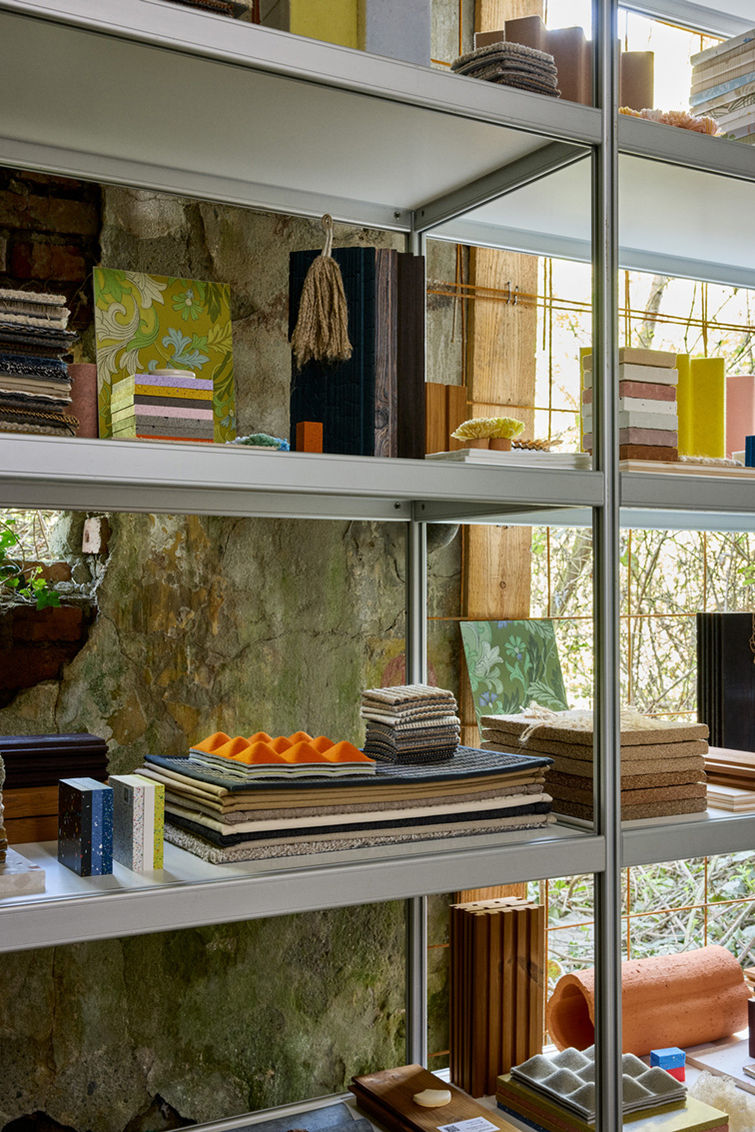
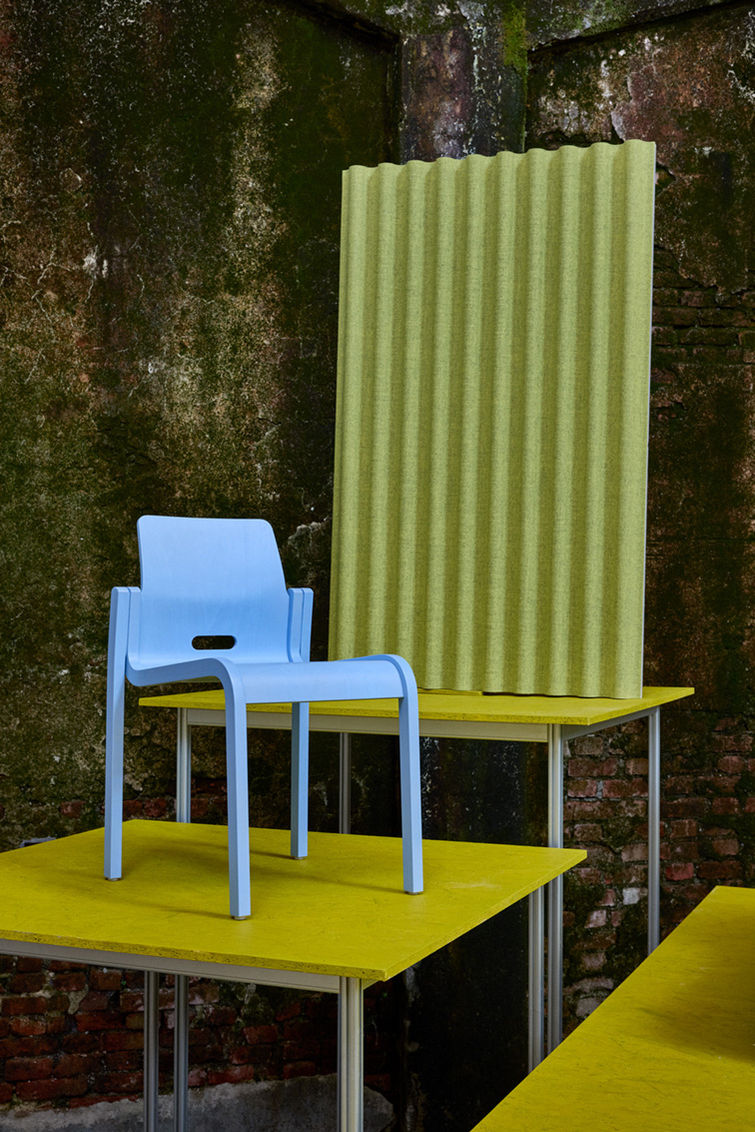
With a passion for storytelling and environmental sustainability, we are dedicated to creating exhibitions that are both informative and experiential. At the heart of our design philosophy is the belief that exhibitions should challenge visitors to think and discover new perspectives on the world. Our popular Habitare materials concept features a comprehensive, playful and immersive material library, encouraging the exhibition viewers to get involved in the design process.
Habitarematerials is an experiential and temporary material library aimed at democratizing design and increasing material knowledge. The concept was initially created for the Habitare Design Fair in Helsinki in 2019, and as a recurring event, the exhibition interior and architecture are produced in collaboration with the fair's material suppliers. We strive to equip visitors with the tools to make informed decisions about materials, encouraging them to explore beyond surface-level features. We believe that informed choices can foster a more sustainable and responsible design industry. Follow Habitrarematerials on Instagram.
@habitarematerials




HABITARE MATERIALS
HABITAREMATERIALS, 2025
With a passion for storytelling and environmental sustainability, we are dedicated to creating exhibitions that are both informative and experiential. At the heart of our design philosophy is the belief that exhibitions should challenge visitors to think and discover new perspectives on the world. Our popular Habitare materials concept features a comprehensive, playful and immersive material library, encouraging the exhibition viewers to get involved in the design process.
Habitarematerials is an experiential and temporary material library aimed at democratizing design and increasing material knowledge. The concept was initially created for the Habitare Design Fair in Helsinki in 2019, and as a recurring event, the exhibition interior and architecture are produced in collaboration with the fair's material suppliers. We strive to equip visitors with the tools to make informed decisions about materials, encouraging them to explore beyond surface-level features. We believe that informed choices can foster a more sustainable and responsible design industry. Follow Habitrarematerials on Instagram.
@habitarematerials
HABITARE MATERIALS
HABITAREMATERIALS, 2025
With a passion for storytelling and environmental sustainability, we are dedicated to creating exhibitions that are both informative and experiential. At the heart of our design philosophy is the belief that exhibitions should challenge visitors to think and discover new perspectives on the world. Our popular Habitare materials concept features a comprehensive, playful and immersive material library, encouraging the exhibition viewers to get involved in the design process.
Habitarematerials is an experiential and temporary material library aimed at democratizing design and increasing material knowledge. The concept was initially created for the Habitare Design Fair in Helsinki in 2019, and as a recurring event, the exhibition interior and architecture are produced in collaboration with the fair's material suppliers. We strive to equip visitors with the tools to make informed decisions about materials, encouraging them to explore beyond surface-level features. We believe that informed choices can foster a more sustainable and responsible design industry. Follow Habitrarematerials on Instagram.
@habitarematerials


HOUSE SOPUKKA
With each building and construction project, we take into account the specific location, weather, culture, and future needs. We believe that well-aged structures and materials are important cultural and physical resources and that preserving the past is as important as building for the future. We aim to leave as much as possible untouched and utilise the existing building components—and, when required, use recycled and upcycled materials. This approach helps reduce waste and creates sustainable, repairable solutions that last for generations to come.


HOUSE SOPUKKA
With each building and construction project, we take into account the specific location, weather, culture, and future needs. We believe that well-aged structures and materials are important cultural and physical resources and that preserving the past is as important as building for the future. We aim to leave as much as possible untouched and utilise the existing building components—and, when required, use recycled and upcycled materials. This approach helps reduce waste and creates sustainable, repairable solutions that last for generations to come.
HOUSE SOPUKKA
With each building and construction project, we take into account the specific location, weather, culture, and future needs. We believe that well-aged structures and materials are important cultural and physical resources and that preserving the past is as important as building for the future. We aim to leave as much as possible untouched and utilise the existing building components—and, when required, use recycled and upcycled materials. This approach helps reduce waste and creates sustainable, repairable solutions that last for generations to come.
HOUSE SOPUKKA
With each building and construction project, we take into account the specific location, weather, culture, and future needs. We believe that well-aged structures and materials are important cultural and physical resources and that preserving the past is as important as building for the future. We aim to leave as much as possible untouched and utilise the existing building components—and, when required, use recycled and upcycled materials. This approach helps reduce waste and creates sustainable, repairable solutions that last for generations to come.
HOUSE SOPUKKA
With each building and construction project, we take into account the specific location, weather, culture, and future needs. We believe that well-aged structures and materials are important cultural and physical resources and that preserving the past is as important as building for the future. We aim to leave as much as possible untouched and utilise the existing building components—and, when required, use recycled and upcycled materials. This approach helps reduce waste and creates sustainable, repairable solutions that last for generations to come.
HOUSE SOPUKKA
With each building and construction project, we take into account the specific location, weather, culture, and future needs. We believe that well-aged structures and materials are important cultural and physical resources and that preserving the past is as important as building for the future. We aim to leave as much as possible untouched and utilise the existing building components—and, when required, use recycled and upcycled materials. This approach helps reduce waste and creates sustainable, repairable solutions that last for generations to come.
SALONKI
Salonki exhibition is a showcase of contemporary design, a nomadic gallery, and an experience. Salonki presents some of the most compelling current practitioners in architecture, design, interior architecture, and the visual arts.
Salonki was born from the need to offer a new perspective on how design, architecture, and art are presented. The exhibition opens spaces to the public that are normally inaccessible and brings contemporary works into them. It challenges the traditional exhibition format in which works are placed in a neutral environment. Instead, the pieces intertwine with historical interiors in rooms that tell stories which might otherwise remain unheard.
The name Salonki also echoes the salons and discussion circles of earlier times, where people gathered to share ideas. In the same spirit, the exhibition is a place of encounter—a space where audiences meet today’s most relevant voices in the visual field through a living, spatial narrative.
Salonki was born from the need to offer a new perspective on how design, architecture, and art are presented. The exhibition opens spaces to the public that are normally inaccessible and brings contemporary works into them. It challenges the traditional exhibition format in which works are placed in a neutral environment. Instead, the pieces intertwine with historical interiors in rooms that tell stories which might otherwise remain unheard.
The name Salonki also echoes the salons and discussion circles of earlier times, where people gathered to share ideas. In the same spirit, the exhibition is a place of encounter—a space where audiences meet today’s most relevant voices in the visual field through a living, spatial narrative.


SALONKI
Salonki exhibition is a showcase of contemporary design, a nomadic gallery, and an experience. Salonki presents some of the most compelling current practitioners in architecture, design, interior architecture, and the visual arts.
Salonki was born from the need to offer a new perspective on how design, architecture, and art are presented. The exhibition opens spaces to the public that are normally inaccessible and brings contemporary works into them. It challenges the traditional exhibition format in which works are placed in a neutral environment. Instead, the pieces intertwine with historical interiors in rooms that tell stories which might otherwise remain unheard.
The name Salonki also echoes the salons and discussion circles of earlier times, where people gathered to share ideas. In the same spirit, the exhibition is a place of encounter—a space where audiences meet today’s most relevant voices in the visual field through a living, spatial narrative.
Salonki was born from the need to offer a new perspective on how design, architecture, and art are presented. The exhibition opens spaces to the public that are normally inaccessible and brings contemporary works into them. It challenges the traditional exhibition format in which works are placed in a neutral environment. Instead, the pieces intertwine with historical interiors in rooms that tell stories which might otherwise remain unheard.
The name Salonki also echoes the salons and discussion circles of earlier times, where people gathered to share ideas. In the same spirit, the exhibition is a place of encounter—a space where audiences meet today’s most relevant voices in the visual field through a living, spatial narrative.
SALONKI
Salonki exhibition is a showcase of contemporary design, a nomadic gallery, and an experience. Salonki presents some of the most compelling current practitioners in architecture, design, interior architecture, and the visual arts.
Salonki was born from the need to offer a new perspective on how design, architecture, and art are presented. The exhibition opens spaces to the public that are normally inaccessible and brings contemporary works into them. It challenges the traditional exhibition format in which works are placed in a neutral environment. Instead, the pieces intertwine with historical interiors in rooms that tell stories which might otherwise remain unheard.
The name Salonki also echoes the salons and discussion circles of earlier times, where people gathered to share ideas. In the same spirit, the exhibition is a place of encounter—a space where audiences meet today’s most relevant voices in the visual field through a living, spatial narrative.
Salonki was born from the need to offer a new perspective on how design, architecture, and art are presented. The exhibition opens spaces to the public that are normally inaccessible and brings contemporary works into them. It challenges the traditional exhibition format in which works are placed in a neutral environment. Instead, the pieces intertwine with historical interiors in rooms that tell stories which might otherwise remain unheard.
The name Salonki also echoes the salons and discussion circles of earlier times, where people gathered to share ideas. In the same spirit, the exhibition is a place of encounter—a space where audiences meet today’s most relevant voices in the visual field through a living, spatial narrative.
SALONKI
Salonki exhibition is a showcase of contemporary design, a nomadic gallery, and an experience. Salonki presents some of the most compelling current practitioners in architecture, design, interior architecture, and the visual arts.
Salonki was born from the need to offer a new perspective on how design, architecture, and art are presented. The exhibition opens spaces to the public that are normally inaccessible and brings contemporary works into them. It challenges the traditional exhibition format in which works are placed in a neutral environment. Instead, the pieces intertwine with historical interiors in rooms that tell stories which might otherwise remain unheard.
The name Salonki also echoes the salons and discussion circles of earlier times, where people gathered to share ideas. In the same spirit, the exhibition is a place of encounter—a space where audiences meet today’s most relevant voices in the visual field through a living, spatial narrative.
Salonki was born from the need to offer a new perspective on how design, architecture, and art are presented. The exhibition opens spaces to the public that are normally inaccessible and brings contemporary works into them. It challenges the traditional exhibition format in which works are placed in a neutral environment. Instead, the pieces intertwine with historical interiors in rooms that tell stories which might otherwise remain unheard.
The name Salonki also echoes the salons and discussion circles of earlier times, where people gathered to share ideas. In the same spirit, the exhibition is a place of encounter—a space where audiences meet today’s most relevant voices in the visual field through a living, spatial narrative.


RITARIKATU 5
As a foundation for our design work, we always conduct research. This is especially important when working with historic buildings and environments. We have carried out several building history surveys of buildings from different periods. A building history survey is like a biography of a building.
Ritarikatu 5 is a building owned by the Svenska litteratursällskapet, for which we carried out a building history survey as a basis for renovation planning. The building is protected on the exterior, but it also contains many well-preserved original interior elements that the renovation design sought to preserve.
Ritarikatu 5 is a building owned by the Svenska litteratursällskapet, for which we carried out a building history survey as a basis for renovation planning. The building is protected on the exterior, but it also contains many well-preserved original interior elements that the renovation design sought to preserve.


RITARIKATU 5
As a foundation for our design work, we always conduct research. This is especially important when working with historic buildings and environments. We have carried out several building history surveys of buildings from different periods. A building history survey is like a biography of a building.
Ritarikatu 5 is a building owned by the Svenska litteratursällskapet, for which we carried out a building history survey as a basis for renovation planning. The building is protected on the exterior, but it also contains many well-preserved original interior elements that the renovation design sought to preserve.
Ritarikatu 5 is a building owned by the Svenska litteratursällskapet, for which we carried out a building history survey as a basis for renovation planning. The building is protected on the exterior, but it also contains many well-preserved original interior elements that the renovation design sought to preserve.
RITARIKATU 5
As a foundation for our design work, we always conduct research. This is especially important when working with historic buildings and environments. We have carried out several building history surveys of buildings from different periods. A building history survey is like a biography of a building.
Ritarikatu 5 is a building owned by the Svenska litteratursällskapet, for which we carried out a building history survey as a basis for renovation planning. The building is protected on the exterior, but it also contains many well-preserved original interior elements that the renovation design sought to preserve.
Ritarikatu 5 is a building owned by the Svenska litteratursällskapet, for which we carried out a building history survey as a basis for renovation planning. The building is protected on the exterior, but it also contains many well-preserved original interior elements that the renovation design sought to preserve.
bottom of page